 Reviews


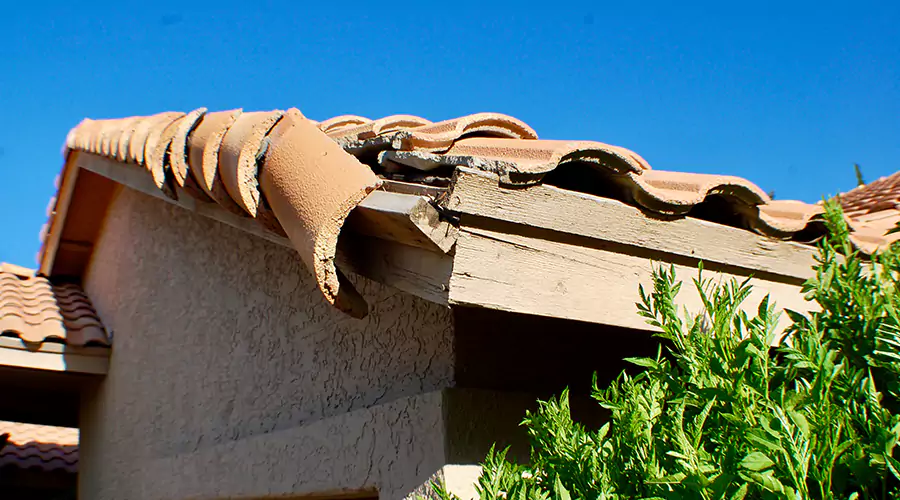
Small roofing problems are easy to dismiss. A missing shingle, a bit of flashing wear, a clogged gutter, or a faint ceiling stain may not seem serious at first. Many homeowners put these issues off because the roof is still mostly doing its job and there is no major leak yet. The problem is that roofing damage rarely stays small for long.
Your roof is a protective system, including flat roofing, and when one part begins to fail, nearby materials can also become vulnerable. A minor issue on the surface can slowly allow water in, weaken structural materials, damage insulation, and create problems inside the home that cost far more to fix later. In this guide, we will explain what happens when you ignore small roofing problems, why delays usually make things worse, and how early action can save you money and stress.
Why Small Roofing Problems Matter More Than They Seem?
The roof protects your home from rain, wind, heat, moisture, and debris every day. Even a small weak point can reduce that protection. A roofing problem does not have to be dramatic to cause damage. In many cases, the most expensive roof-related repairs begin with a small issue that was left untreated for too long.
Small roofing problems matter because they can:
- Allow water to enter hidden areas of the home
- Spread damage into decking and framing
- Affect attic insulation and ventilation performance
- Lead to mold and mildew growth
- Shorten the overall life of the roof
- Increase repair costs over time
What looks minor from the outside can become much more serious behind the surface.
A Small Leak Can Turn Into Interior Damage
One of the biggest risks of ignoring a small roofing problem is water intrusion. A tiny gap around flashing or a few missing shingles may let in only a small amount of water at first. That water can move through the roof system quietly and begin affecting the attic, insulation, ceilings, and walls before anything obvious appears indoors.
Once moisture enters the home, it may lead to:
- Brown or yellow ceiling stains
- Peeling paint near the ceiling line
- Damp drywall or plaster
- Warped trim or soft wall areas
- Musty smells in upper rooms
By the time these signs become visible, the original roofing issue may have already caused more damage than expected.
Roofing Materials Can Deteriorate Faster
A small roofing issue often places stress on nearby materials. For example, if one shingle is missing, surrounding shingles may become more exposed to wind, rain, and sun. If flashing is loose, water may begin affecting the materials around that joint. Over time, the wear spreads beyond the original problem area.
Ignoring small damage can speed up deterioration by causing:
- More shingles to loosen or crack
- Protective granules to wear away faster
- Sealants to break down sooner
- Moisture to weaken the underlayment
- Flashing to rust or separate further
The longer the issue remains in place, the larger the affected area may become.
Attic Insulation May Be Damaged Without You Realizing It
When homeowners think about roof damage, they often think about the roof surface or interior ceilings. What they may not think about is the attic insulation. If water gets in through a minor roofing problem, insulation can become damp or compressed before any major visible sign appears inside the living space.
Wet insulation creates several problems:
- It loses its ability to regulate indoor temperature properly
- It may hold moisture against wood framing
- It can contribute to mold growth
- It can make upstairs rooms less comfortable
- It may increase heating and cooling costs
A problem that started with a small roof issue can end up affecting comfort and energy use throughout the home.
Mold and Mildew Become More Likely
Moisture trapped in the attic, ceilings, or upper walls can create the right conditions for mold and mildew. This is one of the most serious outcomes of delaying roofing repairs because mold can spread quickly once moisture stays in place.
Roof-related mold problems may show up as:
- Musty odors in upper rooms
- Dark spots near ceiling corners
- Mold growth on attic wood surfaces
- Staining around vents or roofline edges
Even if the mold stays hidden at first, the cleanup and repair work can become much more expensive than addressing the small roofing issue early.
Minor Damage Can Lead to Wood Rot
Moisture does not just affect visible finishes. It can also begin damaging structural wood components. Roof decking, rafters, fascia boards, and framing can all weaken over time if they stay damp.
Wood rot caused by ignored roofing problems may lead to:
- Weakened roof decking
- Soft areas beneath roofing materials
- Damage along roof edges
- Reduced structural strength in affected sections
- More complicated repairs than a simple roof patch
Once the structure is involved, the repair usually becomes more expensive and more disruptive.
Repair Costs Usually Increase Over Time
One of the clearest consequences of ignoring small roofing problems is cost. A minor repair is often manageable when it is handled early. But if that same issue is left alone, it may affect multiple parts of the roofing system and the interior of the home.
A delayed roof problem may start with:
- One loose shingle
- A small flashing gap
- A clogged gutter section
- Minor moss buildup
- A vent seal beginning to crack
If ignored, that same issue may later require:
- Multiple shingle replacements
- Flashing repair or replacement
- Attic insulation replacement
- Drywall repair and repainting
- Mold cleanup
- Structural wood repair
Waiting usually means paying for more materials, more labor, and more areas of damage.
Storms Can Make Small Problems Much Worse
A roof with a small weak point is more vulnerable during severe weather. What might have remained manageable in dry conditions can become a major problem when heavy rain, strong wind, or hail hits the roof.
For example:
- A lifted shingle may be torn off completely during wind
- A small gap in flashing may turn into an active leak during rain
- A clogged gutter may force water back under the roof edge
- A minor crack may widen after repeated weather exposure
This is one reason roofing professionals often encourage homeowners to address small issues before the next storm season arrives.
Your Roof May Wear Out Sooner Than Expected
Roofs are designed to last for years, but ignored maintenance issues can shorten that lifespan. When small problems are left untreated, they place more stress on the roofing system and can accelerate general aging.
That means homeowners may face:
- More frequent repairs over time
- Widespread wear sooner than expected
- Earlier need for roof replacement
- Reduced value from the original roofing investment
Protecting roof life is not only about major repairs. It is also about taking small issues seriously before they spread.
Warning Signs You Should Not Ignore
Watch for:
- Missing or curling shingles
- Granules collecting in gutters
- Loose flashing around vents or chimneys
- Ceiling stains that appear after rain
- Musty attic odors
- Moss or algae buildup
- Overflowing gutters during storms
These signs may seem manageable, but they often point to the beginning of a larger problem.
Why Early Action Saves Money and Stress?
Taking care of a roofing issue early gives you more control over the repair process. You can often schedule work before the problem becomes urgent, avoid interior damage, and keep the repair focused on the original area.
Early action helps homeowners:
- Keep repair costs lower
- Protect the inside of the home
- Avoid emergency service needs
- Reduce the chance of mold and moisture damage
- Extend the life of the existing roof
- Feel more confident during future storms
A timely repair is usually easier to manage than a growing problem that starts affecting multiple parts of the home.
What Homeowners Should Do Next?
If you notice a small roofing problem, the best step is to have it evaluated before it grows. A professional roof inspection can help determine whether the issue is still minor or if hidden damage has already begun.
A roofing professional can check:
- The visible problem area
- Nearby roofing materials
- Flashing and roof penetrations
- Attic signs of moisture
- Gutter and drainage conditions
- Whether repair is enough or broader work is needed
This kind of early evaluation can prevent guesswork and help you act before the damage spreads further.
Final Thoughts
Ignoring small roofing problems can lead to much larger issues than most homeowners expect. A missing shingle, loose flashing edge, small leak, or clogged gutter may seem minor today, but those problems can lead to interior damage, mold growth, insulation issues, wood rot, and higher repair costs if they are left untreated. Small roofing issues are often the first warning that the roof needs attention.
The smartest approach is to act early. When you address minor roofing problems quickly, you protect your home, preserve the life of the roof, and avoid the bigger expenses that come from waiting too long.